

Yellowfin tuna fishing is one of the most exciting offshore experiences for anglers looking for speed, strength, and hard-fighting game fish. Found throughout warm tropical and subtropical waters, yellowfin tuna can range from smaller schooling fish to powerful tuna weighing well over 100 pounds.
But finding yellowfin tuna is not simply a matter of choosing a famous fishing destination. The best fishing periods, average fish size, offshore conditions, and fishing approach can change considerably from one location to another.
Fish Nation works with fishing operations in destinations where yellowfin tuna are among the offshore species anglers can target. This guide covers yellowfin tuna behavior, fishing seasons, techniques, gear, and Fish Nation destinations worth considering when planning a trip.
What Is a Yellowfin Tuna?
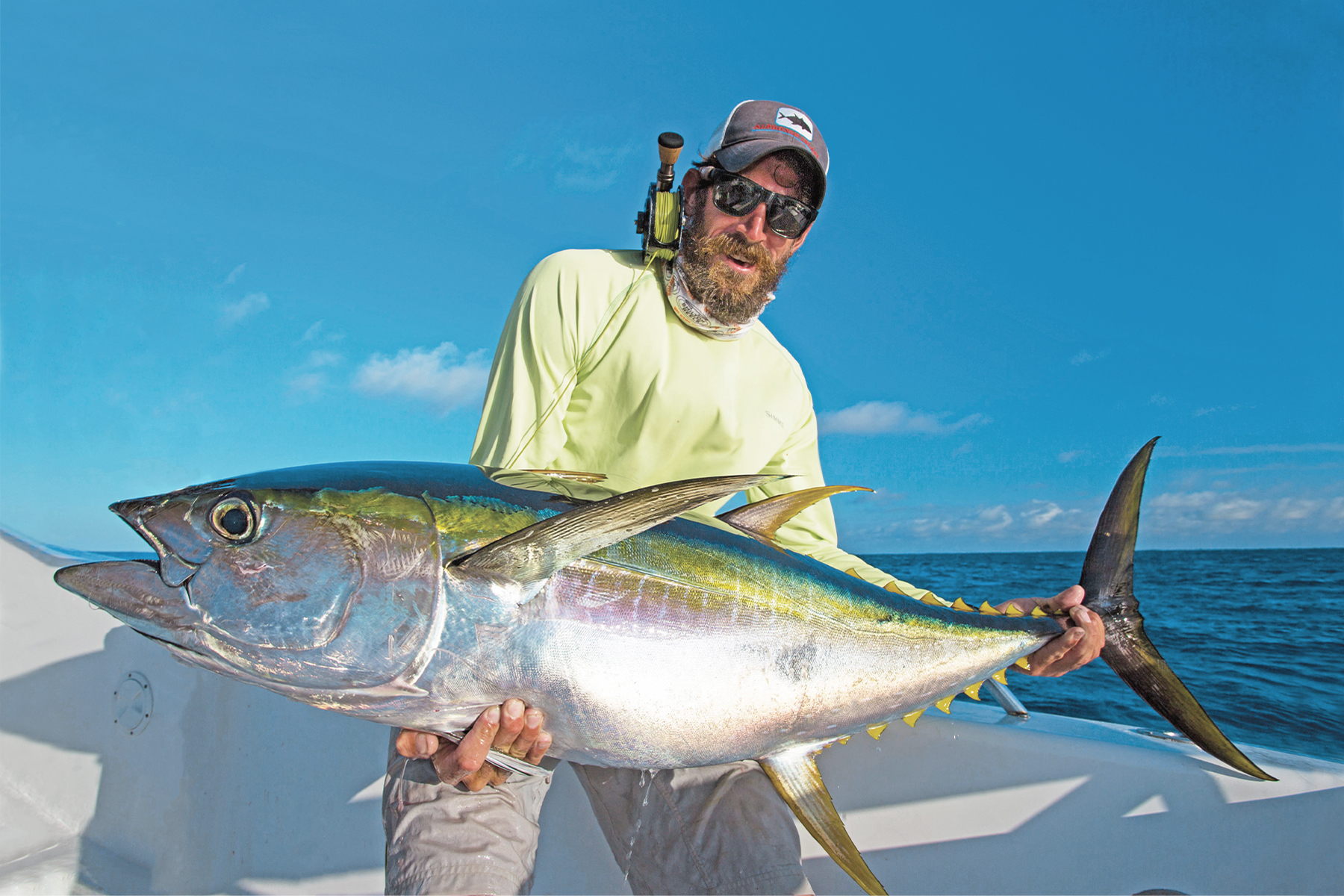
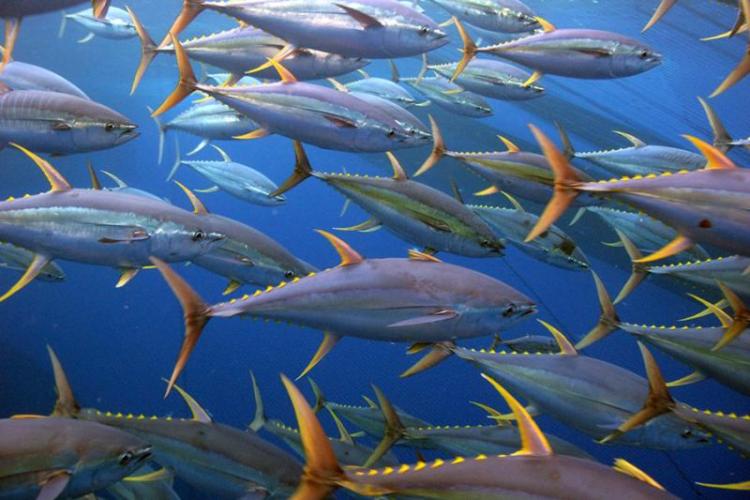
Yellowfin tuna (Thunnus albacares) are large pelagic fish found throughout the Atlantic, Pacific, and Indian Oceans. They are easily recognized by their streamlined bodies, metallic blue backs, silver sides, and distinctive yellow dorsal and anal fins.
Their bodies are built for speed and endurance. Once hooked, yellowfin can make powerful runs and sustained dives that test both tackle and angler.
Yellowfin are highly mobile fish. Their location can change according to water conditions, currents, bait concentrations, and other environmental factors. That mobility is one reason local knowledge is so valuable when planning a dedicated yellowfin tuna fishing trip.
Where Can You Catch Yellowfin Tuna?
Yellowfin tuna occur across an enormous geographic range, but not every destination provides the same fishing experience.
Instead of simply looking for somewhere yellowfin exist, anglers planning a trip should consider:
- How important yellowfin are to the local offshore fishery
- The productive fishing periods for that destination
- Typical fish sizes
- Distance to productive offshore waters
- Available charter boats and experienced crews
- Trip length and accommodation requirements
Two Fish Nation destinations that provide genuine yellowfin tuna opportunities are Venice, Louisiana and Costa Rica.

Yellowfin Tuna Fishing in Venice, Louisiana
Venice has developed a strong reputation for offshore tuna fishing in the Gulf of Mexico, and yellowfin tuna are a major part of the fishery.
Fish Nation’s Louisiana Adventure #327 specifically describes yellowfin tuna as the star attraction.
Most yellowfin encountered through this fishery are reported in the 40 to 80-pound range, while substantially larger fish can push upward into the 200-pound category.
The offshore environment is an important part of the fishery. Nutrient-rich water from the Mississippi River enters the Gulf, while deep offshore water and extensive oil-rig structure help create habitat and feeding opportunities for baitfish and larger pelagic predators.
When to Fish for Yellowfin Tuna in Louisiana
Yellowfin can be caught throughout the year around Venice, but Fish Nation reports an important distinction for anglers interested in larger fish.
The biggest yellowfin are generally caught from late September through March when weather conditions permit.
This is exactly why yellowfin tuna fishing seasons should be considered destination by destination. A general worldwide tuna calendar can easily miss the periods that matter most for a particular fishery.
Explore the Louisiana Yellowfin Tuna Opportunity
Fish Nation’s Louisiana #327 adventure provides access to offshore fishing from Venice.
The operation uses a 39-foot Contender powered by triple 300-horsepower Yamaha engines, allowing anglers to reach productive offshore waters efficiently.
Rather than presenting the general offshore charter rate as a dedicated Yellowfin Tuna package price, anglers should check the complete adventure details and contact Fish Nation for current availability and trip pricing.
Explore Tuna, Swordfish, Redfish & More – Louisiana #327
Yellowfin Tuna Fishing in Costa Rica
Costa Rica provides a very different setting for anglers interested in yellowfin tuna fishing.
Fish Nation’s Costa Rica Adventure #134 specifically identifies Yellowfin as the main tuna species in this fishery.
Large yellowfin in the 100 to 300-pound range may be encountered when conditions line up and anglers locate offshore schools associated with porpoises feeding on the same concentrations of baitfish.
Smaller yellowfin can also gather around floating offshore debris.
Best Time for Yellowfin Tuna Fishing in Costa Rica
Yellowfin opportunities can occur throughout the year at this destination, but Fish Nation identifies two particularly important periods.
Peak periods for yellowfin schools are July and August and November and December.
This does not mean yellowfin disappear outside those months. It means those periods are specifically identified by the Fish Nation adventure as peak times for schooling activity.
For someone planning a trip around yellowfin tuna rather than simply hoping to encounter one during a general offshore fishing day, that distinction is useful.
Explore Costa Rica Yellowfin Tuna Fishing
Costa Rica #134 combines offshore fishing opportunities with a resort-based stay, making it an option for anglers who want fishing to be part of a broader vacation.
Yellowfin tuna are only one part of the overall offshore adventure, so the general boat and accommodation rates should not be presented as dedicated Yellowfin Tuna package prices.
For exact trip details, current rates, and availability, visit the Fish Nation adventure page or contact the team directly.
Explore Costa Rica Marlin, Sailfish, Tuna & More – Adventure #134
What Is the Best Time for Yellowfin Tuna Fishing?
There is no single best yellowfin tuna fishing season worldwide.
Yellowfin are highly mobile, and productive periods depend on the destination, currents, water conditions, food availability, and movement of baitfish.
Fish Nation’s own destinations demonstrate this clearly.
Venice, Louisiana: Yellowfin are available throughout the year, while the biggest fish are generally reported from late September through March, weather permitting.
Costa Rica #134: Yellowfin opportunities exist throughout the year, with July and August and November and December identified as peak periods for schools.
This destination-specific information is more useful when planning a trip than assuming one yellowfin tuna season applies everywhere.
How to Fish for Yellowfin Tuna
Yellowfin tuna can be targeted using several offshore fishing techniques. The most appropriate approach depends on the destination, fish location, feeding behavior, bait availability, and conditions on the day.
Trolling
Trolling allows a boat to cover water while searching for active tuna. It can be particularly useful when fish are spread across a large offshore area.
Live Bait Fishing
When yellowfin are actively feeding, presenting appropriate live bait can be effective. Captains adjust the presentation according to where the tuna are holding and how aggressively they are feeding.
Casting to Feeding Tuna
When tuna are feeding near the surface, anglers may have opportunities to cast toward active fish.
Bird activity, bait concentrations, and surface disturbance can sometimes help experienced crews identify feeding activity.
Fishing Offshore Structure
Productive offshore structure can concentrate bait and predators.
In Venice, for example, the Gulf’s offshore oil-rig structure forms an important part of the fishing environment.
The key point is that there is no single technique that works everywhere. Experienced captains adapt their approach to current conditions rather than relying on one method throughout the trip.
Yellowfin Tuna Fishing Gear and Setup
Yellowfin tuna are strong fish, and the appropriate tackle depends heavily on the size of fish expected and the technique being used.
A setup designed for smaller schooling yellowfin is not necessarily the right equipment for a fish approaching or exceeding 100 pounds.
Rod, reel, line strength, leader, hook, lure, and bait choices can all vary according to the destination and fishing method.
For anglers booking a guided Yellowfin Tuna fishing charter, it is usually better to confirm equipment requirements with the operation before traveling.
This is especially important because many professional offshore operations provide appropriate fishing tackle as part of the trip. Confirming what is included prevents unnecessary equipment from being packed and ensures the setup matches the local fishery.
What to Expect on a Yellowfin Tuna Fishing Trip
A dedicated offshore tuna trip can involve considerably more than simply leaving the dock and immediately fishing.
Yellowfin move, and productive areas can change. Captains may need to cover substantial amounts of offshore water while looking for suitable conditions, bait, birds, surface activity, structure, or other signs that can indicate feeding tuna.
This makes the experience and local knowledge of the captain particularly important.
Anglers should also understand that fishing is never guaranteed. Even during productive periods, weather and changing offshore conditions can influence each fishing day.
How to Choose a Yellowfin Tuna Fishing Charter
When comparing yellowfin tuna fishing charters or trips, look beyond the headline price.
First determine whether yellowfin are genuinely an important target at that destination.
Then consider the fishing season, typical fish sizes, boat, number of anglers, amount of fishing time, distance offshore, accommodations, and what the trip includes.
For example, Venice, Louisiana #327 makes sense for someone specifically interested in a strong Gulf of Mexico tuna fishery.
Costa Rica #134, meanwhile, may appeal to someone who wants genuine yellowfin opportunities combined with a resort-based international fishing vacation.
Neither is automatically better. The right option depends on the experience you want.
Choosing the Right Yellowfin Tuna Fishing Destination
Start with your priorities.
If targeting yellowfin is the main purpose of your trip, look for a destination where tuna are an established part of the fishery and plan around the most appropriate seasonal window.
If you are traveling with family or combining fishing with a vacation, accommodations and non-fishing aspects of the destination may matter just as much.
Your group size and available travel dates can also determine which adventure makes the most sense.
Most importantly, do not select a destination simply because a generic online fishing calendar says yellowfin are present there.
Use destination-specific information and speak with people familiar with the actual fishing operation.
Find the Right Yellowfin Tuna Fishing Adventure
Fish Nation works with fishing operations around the world and can help anglers identify an adventure that matches their target species, travel dates, group size, and preferred type of trip.
For the destinations discussed in this guide, explore the complete Fish Nation adventure pages:
Explore Louisiana Fishing Adventure #327
Explore Costa Rica Fishing Adventure #134
Because fishing conditions, availability, and rates can change, contact Fish Nation for current trip information rather than relying on an old or generalized price.
Contact Fish Nation
Phone: 307-637-5495
Email: info@fish-nation.com
Tell the Fish Nation team that Yellowfin Tuna is your primary target, along with your preferred travel dates and group size, so they can discuss suitable current options.
Frequently Asked Questions About Yellowfin Tuna Fishing
Where is the best place to fish for yellowfin tuna?
There is no single best location for every angler. Fish Nation offers relevant yellowfin opportunities in Venice, Louisiana and Costa Rica. The better choice depends on your travel dates, preferred trip style, group, and the type of tuna fishing experience you want.
What is the best time for yellowfin tuna fishing?
The best time depends on the destination. Fish Nation reports that Venice can produce yellowfin throughout the year, with the biggest fish generally caught from late September through March when weather permits. At Costa Rica #134, July and August and November and December are identified as peak periods for yellowfin schools.
How big do yellowfin tuna get?
Size varies significantly between fisheries. Fish Nation’s Louisiana #327 adventure reports most yellowfin in the 40 to 80-pound range, with fish reaching upward into the 200-pound category. Costa Rica #134 reports opportunities to encounter substantially larger yellowfin in the 100 to 300-pound range when conditions are right.
What techniques are used for yellowfin tuna fishing?
Yellowfin can be targeted through methods including trolling, bait fishing, casting to feeding fish, and working productive offshore areas. Captains generally choose techniques according to local conditions and tuna behavior.
What gear is needed for yellowfin tuna fishing?
The appropriate gear depends on expected fish size and fishing technique. Larger yellowfin require substantially stronger offshore tackle than smaller schooling tuna. Anglers booking guided trips should ask what rods, reels, tackle, and other fishing equipment are already provided before bringing their own.
Can you catch yellowfin tuna year-round?
Yellowfin can be encountered year-round in some fisheries, including the Fish Nation destinations discussed above, but that does not mean every month offers identical conditions. Destination-specific peak periods should be considered when selecting travel dates.
Plan Your Yellowfin Tuna Fishing Trip
The right yellowfin tuna fishing trip starts with the right destination and timing.
Whether you are considering the Gulf waters off Venice or an offshore fishing vacation in Costa Rica, Fish Nation can help you review current options based on when you want to travel and what you want to target.
Explore the relevant Fish Nation adventure or contact the team at 307-637-5495 or info@fish-nation.com for current Yellowfin Tuna fishing opportunities, availability, and trip details.